


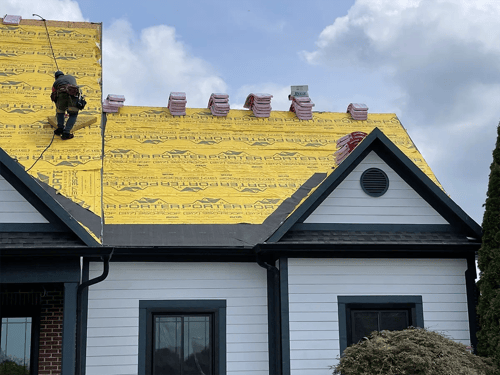
What to Expect During Your Roof Replacement: A Step-by-Step Guide
Storms move through Indiana every summer, and sometimes they leave a mark on your roof. If you're standing in your yard looking up at missing shingles or a dented gutter, take a breath. You don't need to have everything figured out today. You just need to know the right next steps, in the right order — and that's exactly what this guide walks you through.
At Porter Roofing & Restoration, we've helped homeowners across Indianapolis, Kokomo, Fort Wayne, and Jeffersonville get their footing after a storm. The good news: knowing what to do about roof storm damage ahead of time turns a stressful moment into a manageable checklist.
Quick Answer
If your roof has storm damage, start with safety — stay off the roof and away from any downed lines. Then document everything with photos from the ground, arrange temporary protection for any active leaks, and schedule a professional inspection to understand the full picture. A qualified roofer can assess the damage and help you understand your insurer's documentation process.
Step 1: Make Sure Everyone Is Safe First
Before anything else, focus on people, not property.
- Stay inside until the weather has fully passed.
- Keep away from any downed power lines, and don't touch water near them. If you see one, contact your utility provider.
- Watch for hazards inside — sagging ceilings, water pooling near light fixtures or outlets. If you see active dripping near electrical, it's smart to shut off power to that area if you can do so safely.
- Do not climb onto the roof. Wet or damaged roofing is slippery and unstable, and a fall causes far more harm than a missing shingle. Leave the up-close inspection to a professional with the right equipment.
Your roof can wait. Your safety can't.
Step 2: Document the Damage From the Ground
Once it's safe to walk around outside, start documenting. Good documentation is one of the most helpful things you can do, and you can capture most of it from ground level with your phone.
What to photograph
- Wide shots of the whole house from a few angles so the overall condition is clear.
- Close-up zooms of specific problem areas — missing or lifted shingles, dents, cracked flashing, or debris on the roof.
- Gutters and downspouts, which often show dents or granule buildup after hail.
- Anything on the ground — shingle pieces, tree limbs, or scattered granules in the driveway.
- Interior damage, like water stains on ceilings or walls.
A few tips
- Take more photos than you think you need. It's easier to have extras than to wish you'd captured something.
- If your phone timestamps photos, leave that on — a clear date is useful.
- Jot down the date of the storm and a quick note of what you noticed. Simple records help you keep track as you move through your insurer's process.
You don't need to diagnose the damage yourself. The goal here is simply to capture what you see so nothing gets lost.
Step 3: Protect Your Home From Further Water
If water is actively getting in, a little temporary protection can help limit the impact while you arrange a professional visit.
- Inside: Move furniture and valuables away from leaks, and place a bucket or container under active drips. Lay down towels to protect flooring.
- Outside: If — and only if — it can be done safely from the ground, some homeowners cover exposed areas with a tarp. If reaching the damage means climbing, don't. This is a job better left to a roofer who can do it safely.
- Save your receipts for any emergency supplies or temporary repairs. Keeping records of what you spend is part of staying organized.
Temporary protection is exactly that — temporary. It's meant to buy time, not to fix the problem.
Step 4: Call a Professional Roofer for an Inspection
Once your home is stable, the next step is understanding the full extent of the damage — and this is where a professional makes the biggest difference. A lot of storm damage isn't visible from the ground. Lifted shingles, bruised areas from hail, and compromised flashing often need a trained eye to spot.
At Porter Roofing, our complimentary storm inspection is a straightforward way to get clarity with no pressure and no cost.
How a complimentary storm inspection works
- You book it. Reach out and we'll schedule a visit that fits your timing. During business hours, we aim to respond in under 10 minutes.
- We inspect thoroughly. A Porter team member safely examines your roof, gutters, flashing, and other vulnerable areas — the spots that are hard to assess from the ground.
- We document what we find. You get clear findings, along with photos of any damage, so you understand the real condition of your roof.
- We walk you through your options. If there's damage, we explain what we see in plain language and help you understand how the documentation fits into your insurer's process. You decide what happens next.
We're an Owens Corning Platinum Preferred contractor with a 4.98-star Google rating, and our approach is the same after every storm: fast response, clean install, no surprises.
A Note on Insurance
If you're planning to file a claim, your insurer will have its own process, and every policy is different. Our role is to give you thorough, well-documented information about your roof's condition so you can navigate that process with confidence.
We can't speak to what your insurance will or won't cover — that's between you and your provider. What we can do is make sure the damage is clearly documented and that you understand what we found. Clear information is always a good starting point, whatever you decide to do next.
Frequently Asked Questions
How soon should I schedule an inspection after a storm? It's reasonable to schedule one once you've noticed potential damage and your home is safe. Getting a professional look sooner rather than later means you have clear, current documentation and a full understanding of your roof's condition.
Do I have to file an insurance claim to get an inspection? Not at all. A complimentary inspection is simply about understanding your roof. Whether or not you file anything is entirely your decision, and there's no obligation either way.
What if I can't see any damage from the ground? That's common — a lot of storm damage isn't visible from below. If your area took a strong storm and you're unsure, a professional inspection is the best way to know for certain rather than guessing.
Is the storm inspection really free? Yes. Porter offers complimentary inspections. You'll get a clear assessment and documentation of what we find with no cost and no obligation.
Ready When You Are
Storm damage feels overwhelming in the moment, but you've got a clear path forward: stay safe, document what you see, protect your home, and get a professional set of eyes on your roof. That's it.
When you're ready for that professional look, we're here — as your neighbors, not a hard sell. Book your complimentary inspection and let Porter Roofing help you understand exactly where your roof stands.
Book your complimentary inspection — Indiana's Platinum-certified roofing team.